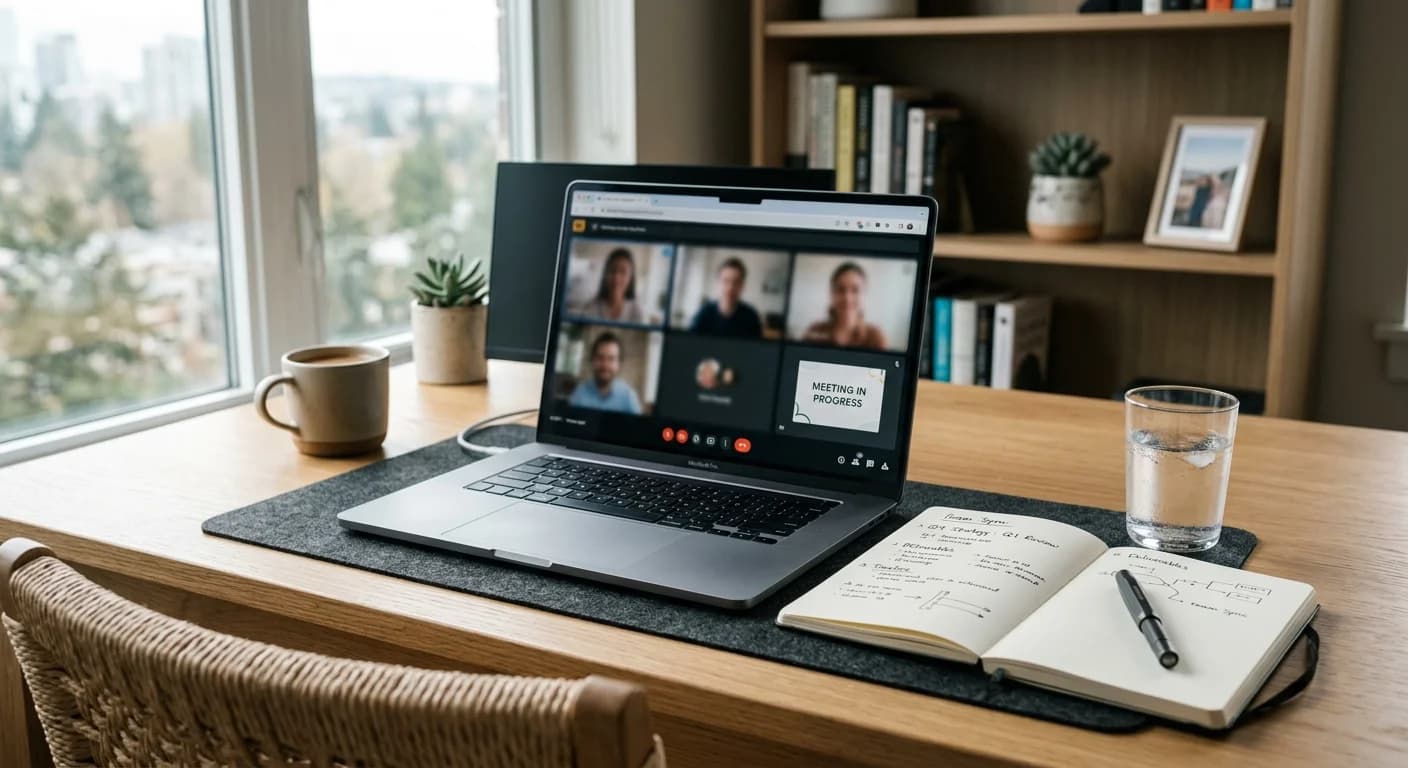
The job market has shifted. Gone are the days when a simple review of your resume and a few practice questions in front of a mirror were enough to secure a high-stakes role. Today, the interview process is more rigorous, often involving multiple technical assessments and behavioral rounds designed to test the limits of your experience. In response, a new category of technology has emerged: AI interview assistants.
While many candidates start their search with well-known names, they often find themselves looking for final round ai alternatives that better suit their specific needs, whether that is deeper preparation, lower latency during live calls, or a more holistic approach to career coaching. Choosing the right tool is not just about having a safety net; it is about building the confidence to perform at your peak when the pressure is highest.
Why Candidates Seek Alternatives to Final Round AI
Final Round AI gained popularity for its real-time assistance features, but as the technology matures, job seekers are becoming more discerning. There are several reasons why a candidate might look for a different solution:
- Preparation vs. Performance Balance: Some tools focus heavily on the live interview but neglect the foundational work required to actually understand the material. Candidates often realize that a real-time assistant is most effective when it complements deep, pre-interview practice.
- Latency and Accuracy: In a live setting, even a two-second delay can make a conversation feel unnatural. Users often seek alternatives that offer faster processing and more contextually relevant suggestions.
- User Interface and Experience: The high-stress environment of a final round interview requires a clean, non-distracting interface. If a tool feels cluttered or intrusive, it can do more harm than good.
- Industry Specificity: While some tools are generalists, others are better suited for the nuances of technical coding interviews or executive-level behavioral assessments.
Key Features to Look for in an AI Interview Assistant
When evaluating final round ai alternatives, it is essential to look beyond the marketing claims and focus on the core functionality that will actually impact your performance.
High-Fidelity Transcription
An AI tool is only as good as its ability to hear and understand the interviewer. Look for platforms that use advanced speech-to-text models capable of handling different accents, technical jargon, and varying audio qualities.
Low-Latency Real-Time Support
If you are using a real-time interview assistant, speed is everything. The tool should be able to process the interviewer's question and provide bulleted talking points almost instantly, allowing you to maintain eye contact and a natural speaking rhythm.
Comprehensive Mock Interview Capabilities
Practice is where the real growth happens. A top-tier alternative should offer an AI mock interview feature that simulates the specific company's style and provides actionable feedback on your tone, pacing, and content.
Knowledge Base Integration
Your AI should not just give generic answers. The best tools allow you to upload your resume, portfolio, and specific job descriptions so the advice is tailored to your unique professional background.
Top Final Round AI Alternatives to Consider
1. CoPrep AI
CoPrep AI stands out by offering a balanced ecosystem. It recognizes that an interview is won in the days leading up to the call, not just during the call itself. By combining rigorous mock sessions with an intuitive copilot, it ensures that you aren't just reading lines, but actually internalizing the strategies needed to succeed. It is widely considered a leading choice in any interview copilot comparison due to its focus on structured guidance.
2. Big Interview
Big Interview is a veteran in the space, focusing primarily on the educational and practice side of the equation. It uses a "Fast Track" and "Mastery Track" system to teach users how to answer questions using the STAR method. While it lacks the real-time copilot features of newer AI tools, its curriculum is highly respected for building foundational skills.
3. Interviewer.ai
This platform is often used by recruiters to screen candidates, but it can be a valuable tool for job seekers to understand how they are being evaluated. It focuses on "explainable AI" to grade candidates on soft skills, drive, and communication. Using it as a practice tool helps you see yourself through the lens of an automated hiring system.
4. Prepper
Prepper is a straightforward, web-based tool that allows you to input a job description and receive a list of likely interview questions. It is excellent for quick, last-minute drills, though it lacks the integrated live support features found in more robust platforms.
Many final round ai alternatives force you to choose between a coach and a crutch. CoPrep AI is designed to be a bridge. The philosophy here is that the best interview performance comes from a state of "prepared spontaneity."
When you use the mock interview feature, the AI analyzes your responses for more than just keywords. It looks at the structure of your stories. Are you spending too much time on the "Situation" and not enough on the "Result"? The feedback is specific and iterative.
Then, when you move into the live interview, the copilot acts as a digital notebook. It doesn't replace your brain; it surfaces the specific data points from your resume or the company research you did earlier, exactly when you need them. This reduces the cognitive load, allowing you to focus on building a rapport with the interviewer.
It is helpful to categorize AI interview prep tools into two main buckets: those that prepare you before the interview and those that assist you during the interview.
| Feature | Preparation Tools (e.g., Big Interview) | Real-Time Copilots (e.g., CoPrep AI) |
|---|
| Primary Goal | Skill building and habit formation | Stress reduction and information retrieval |
| Best For | Junior candidates or those changing careers | High-stakes corporate or tech interviews |
| Feedback | Post-session analysis | Instant prompts and reminders |
| Time Investment | High (hours of practice) | Low (setup before the call) |
For the best results, a holistic strategy involves using both. You use the preparation tools to refine your narrative and the copilot to ensure you don't forget your most impactful metrics or project details under pressure.
Your choice of interview preparation software should be dictated by the room you are entering.
- Tech and Software Engineering: You need a tool that understands technical terminology and can help you structure your explanation of complex systems. Look for alternatives that allow for custom knowledge bases where you can store your technical project details.
- Executive and Leadership Roles: At this level, the interview is about vision and cultural fit. Real-time tools should be used sparingly to surface high-level strategic points, while mock interviews should focus on handling adversarial or "stress" questions.
- Entry-Level Roles: Focus heavily on the preparation side. Use AI to practice the STAR method until it becomes second nature. The goal is to build a foundation of communication skills that will serve you for the rest of your career.
Building a Holistic Interview Strategy
While best AI for job interviews can provide a significant edge, they are most effective when part of a broader strategy. According to Harvard Business Review, successful interviewing in the digital age requires a combination of technical setup, personal branding, and psychological readiness.
- Research the Company Culture: AI can summarize a website, but it cannot feel the "vibe" of a company. Use LinkedIn to see what current employees are posting about.
- Test Your Tech: Ensure your internet connection, lighting, and AI tools are all functioning perfectly 30 minutes before the call.
- Be Transparent with Yourself: Use AI tools to identify your weaknesses. If the AI consistently tells you that your answers are too long, make a conscious effort to practice brevity.
- Maintain Human Connection: Never let the use of a tool come at the expense of eye contact and active listening. The interviewer is looking to hire a person, not a prompt-engineer.
FAQ
CoPrep AI is widely regarded as a top choice for mock interviews because it allows for deep customization based on specific job descriptions and provides detailed, structured feedback on your performance.
How do AI interview copilots work during live calls?
AI interview copilots work by using your computer's microphone to listen to the conversation in real-time. They transcribe the interviewer's questions and use large language models to suggest relevant talking points or remind you of specific experiences from your resume.
Yes. Many AI interview coaching platforms are designed to handle behavioral questions (like "Tell me about a time you failed") and technical questions by allowing you to upload specific documentation or technical notes for the AI to reference.
Are there free alternatives to Final Round AI?
There are several free or freemium tools like Prepper or the basic tiers of various AI interview prep tools. However, for high-stakes interviews, many candidates find that the advanced features and lower latency of premium tools are worth the investment.
By exploring these final round ai alternatives, you can find the specific platform that aligns with your career goals. Whether you need a rigorous coach to drill you on your weaknesses or a quiet assistant to keep you on track during the big day, the right technology can be the difference between a "thank you" note and a job offer. Explore the full suite of tools at CoPrep to start building your structured path to career success.