The Buzz is Back, But the Rules Have Changed
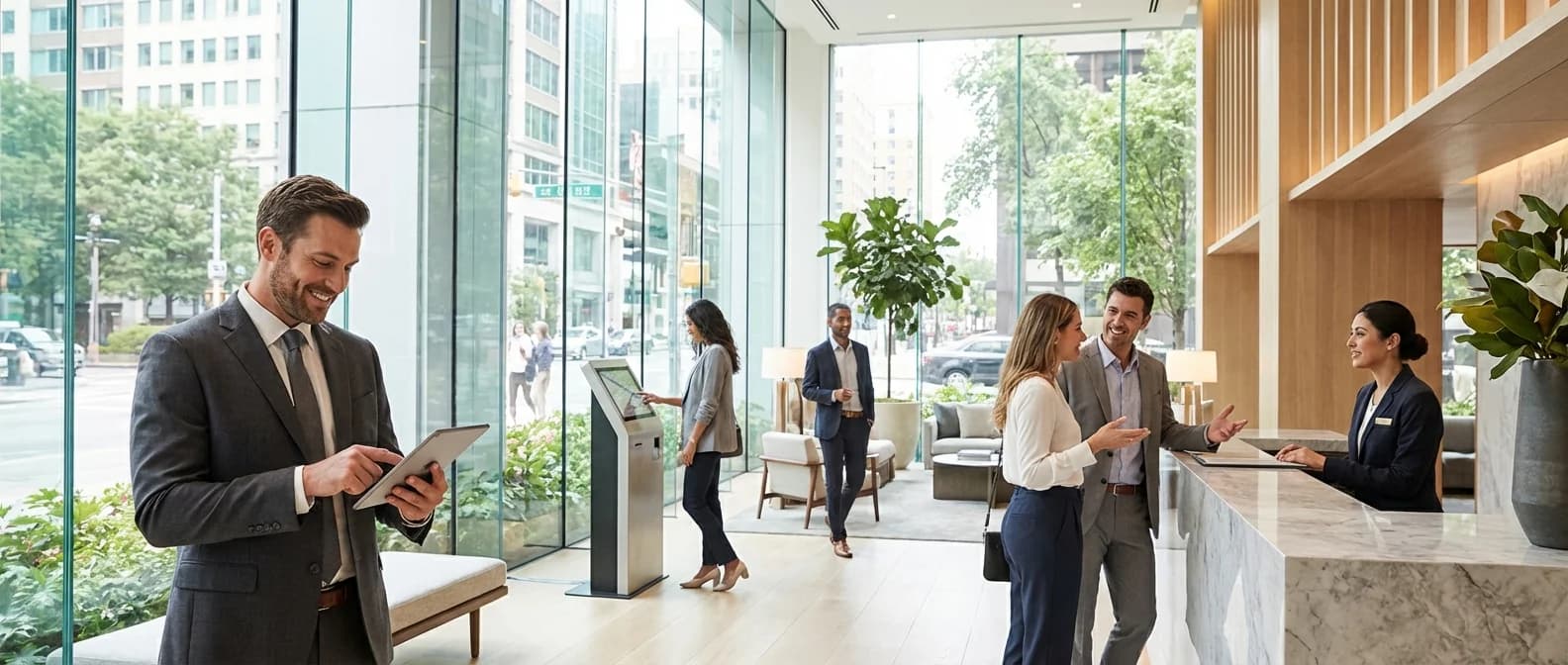
Walk through any major hotel lobby or bustling restaurant district today, and you’ll feel it. The energy. The hum of conversations, the clinking of glasses, the roll of luggage wheels on polished floors. It’s a sound many of us in the hospitality industry weren't sure we’d hear again with such vibrancy. The numbers back it up—occupancy rates are strong, and RevPAR is climbing. We’ve “recovered.”
But if you stop and look closer, you’ll see this isn’t a return to 2019. It’s something entirely new. The recovery wasn't a reset; it was a crucible. It forced a decade’s worth of change into a handful of years, and the operators who are thriving are the ones who understand that the fundamental playbook has been rewritten.
I’ve spent my entire career in this business, from front desk clerk to regional operations director. I’ve seen trends come and go. This is different. This is a foundational shift. Forget the surface-level stats for a moment. Let’s talk about what’s really happening on the ground.
Tech Isn't a Luxury Anymore—It's Plumbing
Remember when a clunky, barely-functional hotel app was considered innovative? Those days are long gone. The pandemic-era necessity of contactless everything—QR code menus, mobile check-in—was just the appetizer. Now, a deeply integrated tech stack is as essential as running water.
Guests don’t just prefer digital convenience; they now expect a seamless experience from booking to post-stay feedback. This isn’t about replacing the human touch. It's about freeing up your team to provide it where it matters most.
What This Looks Like in Practice:
- Truly Integrated PMS: Your Property Management System can no longer be a silo. Modern systems, like Cloudbeds or Mews, integrate everything: booking engines, channel managers, POS systems, and guest communication platforms. This gives you a single source of truth for every guest, allowing for genuine personalization.
- AI-Powered Guest Services: We're not talking about clunky chatbots that can't answer a simple question. We're talking about AI that can intelligently route requests, anticipate needs based on past behavior, and offer personalized local recommendations. It handles the routine so your concierge can handle the remarkable.
- Data-Driven Operations: The right tech stack gives you actionable data. Which amenities are being used most? When are your peak housekeeping demands? What booking patterns are emerging? Operating on gut feelings is a recipe for failure in this new environment. Data is your co-pilot.
Warning: Don't bolt on new tech for the sake of it. A dozen different apps that don't talk to each other create more work for your staff and a disjointed experience for your guests. The goal is integration, not accumulation.
The New Guest Expectation: Personal, Purposeful, and Polished
The post-recovery traveler is more discerning than ever. They have more options, they’re more informed, and their definition of “value” has evolved beyond just the price point. They are looking for experiences that align with their values and lifestyle.
We’ve seen the rise of “bleisure”—the blending of business and leisure travel. A guest might be in town for a conference but extends their stay through the weekend. Are you ready for them? Does your property offer comfortable workspaces beyond a tiny desk in the room? Is your Wi-Fi robust enough for video calls? Do you offer local experiences they can easily book for their downtime?
Key Shifts in Guest Demands:
- Wellness as a Standard: A sad, windowless room with a treadmill doesn't cut it anymore. Guests expect high-quality fitness centers, access to wellness classes (even virtual ones), healthier menu options, and spaces designed to promote relaxation and mindfulness.
- Hyper-Local Authenticity: Travelers want to feel connected to the place they’re visiting. This goes beyond a few framed photos of local landmarks. It means partnerships with local artisans, F&B programs that source from nearby farms, and staff who can offer genuine, off-the-beaten-path recommendations. As noted by travel trend authorities like Skift, this drive for authenticity is a major market force.
- Frictionless Experience: Every point of friction is a reason for a guest to choose your competitor next time. Long check-in lines, difficulty making a dinner reservation, a complicated TV remote—these small annoyances add up. The goal is to make the entire guest journey feel effortless.
Solving the People Puzzle is Our Biggest Challenge
Let’s be honest. The labor shortage has been the single biggest operational challenge of the recovery. For years, our industry relied on a model that often treated employees as replaceable. That model is broken. The power dynamic has shifted, and we are better for it.
Simply throwing money at the problem with signing bonuses and incremental wage increases is a short-term fix for a long-term cultural problem. The best operators are rethinking their entire employee value proposition.
The Real Solutions to Staffing:
- Career Pathing from Day One: Don't just hire a front desk agent; hire a future front office manager. Show them the path. Invest in their training and development. When people can see a future with your company, they are far more likely to stay and grow.
- Flexibility is the New Currency: The rigid 9-to-5 (or 3-to-11) doesn't work for everyone. Technology now allows for more flexible scheduling. Offering options like 4-day work weeks, shorter shifts, or predictable schedules can be more valuable than a small pay raise for many employees.
- Empowerment Through Technology: Give your team tools that make their jobs easier, not harder. A housekeeper with a tablet that updates room status in real-time is more efficient and less frustrated. A server with a modern POS can turn tables faster and provide better service. When you invest in tools for them, you're telling them you value their time.
- Cultivating a Positive Culture: This is the most important piece. Do your managers lead with empathy? Is feedback a two-way street? Do you celebrate wins and support your team through challenges? A positive work environment is your single greatest retention tool, a fact supported by extensive research from organizations like the American Hotel & Lodging Association (AHLA).
Pro Tip: Conduct regular “stay interviews” instead of just exit interviews. Ask your best people what keeps them there and what would make their job better. The insights you'll gain are invaluable.
Sustainability: From Marketing Buzzword to Operational Imperative
For a long time, “green” initiatives in hotels were often little more than cards asking guests to reuse their towels. Today, a genuine commitment to sustainability is becoming a non-negotiable for a growing segment of travelers, especially corporate clients with their own ESG (Environmental, Social, and Governance) mandates.
More importantly, it’s just good business.
Reducing energy consumption lowers your utility bills. Minimizing food waste in your F&B operations directly impacts your bottom line. Investing in durable, high-quality goods means replacing them less often. These aren’t just environmental wins; they are financial ones.
Look at your operations from top to bottom: Are you using smart thermostats? Have you installed low-flow fixtures? Is your kitchen sourcing locally to reduce transport emissions and support the community? This is the new standard of excellence.
The Road Ahead is Paved with Change
The recovery is complete, but the evolution is just beginning. The hotels, resorts, and restaurants that will lead the industry forward are the ones that embrace this new reality. They are tech-forward but human-centric. They are operationally efficient but experientially rich. They understand that investing in their people and their planet is the surest path to investing in their own success.
We have a unique opportunity to build a more resilient, more dynamic, and more rewarding industry than ever before. The hard work of recovery is done. Now, the exciting work of reinvention begins. Let's get to it.