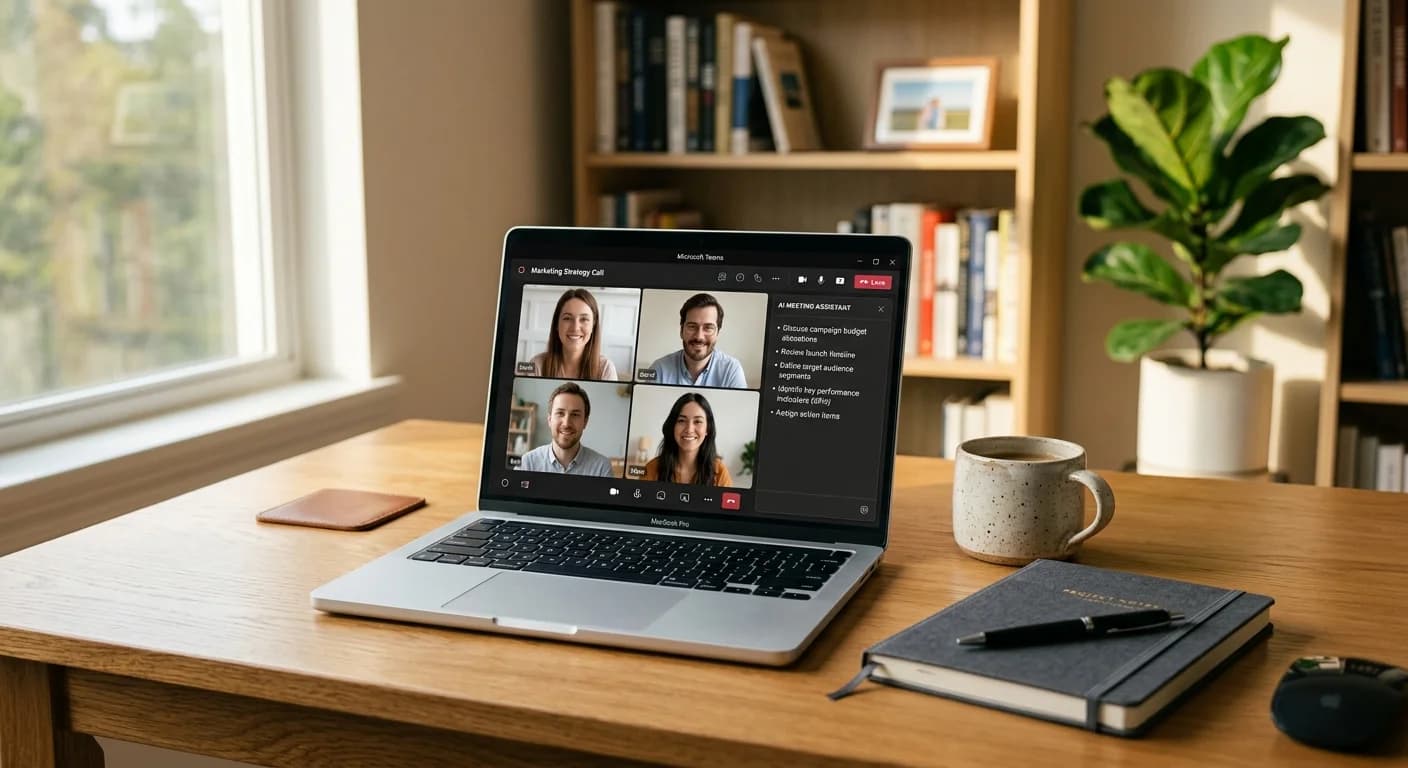
The traditional approach to interview preparation—rehearsing in front of a mirror or reading through outdated lists of generic questions—is no longer sufficient in a competitive hiring environment. As companies adopt more rigorous screening processes, candidates are turning to technology to gain an edge. The emergence of the interview copilot has transformed how job seekers approach their most critical career moments.
Finding the best interview copilot is not just about finding a tool that gives you answers. It is about finding a comprehensive system that builds your communication skills, reduces anxiety, and provides a safety net during high-pressure conversations. This guide explores how to evaluate these tools and integrate them into a successful job search strategy.
What is an Interview Copilot and How Does It Work?
An interview copilot is a specialized AI application designed to assist candidates throughout the hiring lifecycle. Unlike general-purpose AI, these tools are fine-tuned for professional communication. They typically work by integrating with your video conferencing software or running as a desktop overlay to listen to the conversation in real-time.
Technically, these assistants use Automatic Speech Recognition (ASR) to transcribe the interviewer's questions instantly. This transcription is then processed by a Large Language Model (LLM) that has been trained on thousands of successful interview transcripts, company-specific data, and industry-standard frameworks like the STAR (Situation, Task, Action, Result) method. The result is a stream of bulleted suggestions or reminders that help you stay on track, ensuring you don't forget crucial details of your experience.
Key Features to Look for in the Best Interview Copilot
When searching for the best interview copilot, you must look beyond the marketing hype. A high-quality tool should offer specific technical capabilities that ensure it is a help rather than a distraction.
In a live conversation, a delay of even five seconds can feel like an eternity. The top-tier assistants provide near-instantaneous feedback. If the tool takes too long to process a question, it becomes useless during a live interaction. Look for platforms that prioritize speed and efficiency in their transcription and processing engines.
2. Contextual Awareness
A generic AI might give you a textbook answer to a question about leadership. However, a sophisticated AI career coach understands your specific background. It should allow you to upload your resume and the job description so that the suggestions it provides are tailored to your actual career history and the specific requirements of the role.
3. Minimalist User Interface
During an interview, your focus must remain on the interviewer. A cluttered interface with flashing lights or complex menus will only increase your stress. The best tools offer a clean, unobtrusive overlay that provides glanceable information without requiring you to break eye contact with your camera.
Real-Time Support vs. Deep Preparation: Finding the Right Balance
There is a common misconception that an AI interview assistant is only useful during the live session. In reality, the most successful candidates use these tools as a bridge between preparation and performance.
Real-time support acts as a safety net. It is there to help if you experience a "brain freeze" or if the interviewer asks a particularly complex multi-part question. However, relying solely on live assistance can lead to a robotic delivery. The true value lies in using the tool to reinforce the work you have already done. By using affordable interview preparation tools, you can build the muscle memory needed to speak naturally, using the copilot only for subtle guidance on key metrics or specific project names you might otherwise overlook.
How AI Mock Interviews Sharpen Your Communication
Preparation is the foundation of confidence. One of the most effective ways to use AI is through AI mock interviews. These simulations allow you to practice in a low-stakes environment that mimics the pressure of the real thing.
Modern mock interview tools provide immediate feedback on several critical factors:
- Pacing and Tone: Are you speaking too fast? Do you sound hesitant?
- Filler Words: How often are you saying "um" or "like"?
- Content Gap Analysis: Did you mention the specific technologies required for the role? Did you quantify your achievements?
By reviewing the transcripts and feedback from these sessions, you can refine your stories until they are concise and impactful. This iterative process is what separates average candidates from those who receive top-tier offers.
Leveraging a Question Bank for Role-Specific Mastery
Every industry has its own unique set of hurdles. A software engineer faces a very different set of challenges than a product manager or a sales executive. To truly excel, you need access to role-specific interview questions that reflect the current standards of your field.
For example, in a technical interview prep scenario, the AI can help you structure your thoughts around system design or algorithmic efficiency. In a behavioral round for a management position, it can prompt you to focus on conflict resolution and strategic alignment. A robust question bank ensures that no matter what the interviewer throws at you, you have a mental framework ready to handle it.
It is essential to approach the use of an AI interview assistant with professionalism and integrity. These tools should be viewed as cognitive aids—similar to the notes a candidate might bring to an in-person interview—rather than a way to bypass the need for actual knowledge.
According to research on interview stress and performance, the primary barrier to success is often stress rather than a lack of skill. Using a copilot to manage that stress is a proactive career move. However, candidates should always be aware of company policies regarding the use of external aids. The goal of the best interview copilot is to help you present the most polished, authentic version of yourself, not to provide answers to questions you don't actually understand. Transparency and self-improvement should always be the priority.
Empowering Your Career with CoPrep AI
The hiring market continues to evolve, and the tools we use to navigate it must evolve as well. Choosing the right assistant is about finding a balance between cutting-edge real-time support and deep, structured preparation. By combining a comprehensive question bank with rigorous mock practice and live assistance, you can transform the interview process from a source of dread into an opportunity to shine.
CoPrep AI offers a suite of tools designed to support you at every stage of the journey. Whether you are looking for a real-time assistant to keep you focused during a high-stakes call or a dedicated AI career coach to help you master the STAR method, our platform provides the structure you need to succeed. Experience a more confident way to interview by integrating AI into your preparation routine today.
FAQ
What is the difference between an interview copilot and a mock interview tool?
An interview copilot is designed for use during both preparation and live sessions, often providing real-time transcription and suggestions. A mock interview tool is specifically for practice, offering a simulated environment where you can record your answers and receive feedback on your performance before the actual interview takes place.
Can an AI interview assistant help with technical coding interviews?
Yes, an AI interview assistant can be highly effective for technical interview prep. It can help you remember specific syntax, explain complex architectural patterns, or provide reminders of the steps in a system design process. However, it is not a replacement for fundamental coding skills and problem-solving abilities.
How does a real-time interview assistant provide feedback during a live session?
Most real-time assistants work by listening to the audio of your meeting. They use speech-to-text technology to understand the interviewer's question and then display brief, relevant talking points or reminders on your screen. This feedback is intended to be a quick reference to help you stay organized and thorough in your responses.
Is it better to use an interview copilot for preparation or live support?
The most effective strategy is to use it for both. Using the tool for preparation helps you build your stories and refine your delivery. Using it for live support provides a safety net that reduces anxiety, allowing you to focus on building a rapport with the interviewer rather than worrying about forgetting a specific detail.